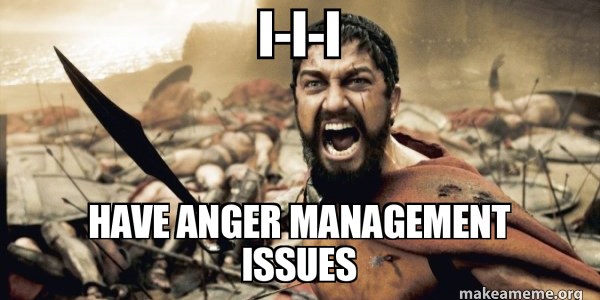
Dear friends, sorry for taking so long (as if you were waiting for it, LOL). In fact, I’m still away from home, having this called-out holiday, but I can’t help to continue our session before, about anger management. I guess this is some kind of my coping mechanism for handling my kids every day during this holiday, all moms know it very well. Holidays are busy days for us, right? Since a wise man says: Writing is therapy, so let it be.
Here’s the fact: Humans are social creatures, right? We are destined to live harmoniously together and support one another. This is our nature, whether we acknowledge it or not. No one can truly thrive alone in this world. Helping each other fosters connection and involves selflessness for the benefit of others. But the anger? In contrast, anger harms relationships and can lead to destructive behavior, often dragging others into conflict with us. So what does it mean? Thus, anger breaks our natural purpose and social bond as humans.
The question is, what happens when someone makes us angry, or we get angry ourselves? The answer is simple: we can choose to relax with each other. Seneca said, “We dwell amid a crowd of the corrupted, and the only peace of mind that can be forged is through mutual tolerance.” We all live in an imperfect world, surrounded by flaws in ourselves and others. That’s why we can only reach peace of mind by accepting and showing compassion instead of judgment and conflict. This means we aim to keep calm and avoid anger from the start. You might think it’s hard, and to be honest, it is; we’re only humans! But don’t worry, there’s always a logical way to handle this. Let’s jump into it!
First thing to do, when we feel anger rising, we must fight it at any cost! With our rational mind. Don’t let emotions win the battle. Honestly, we feel angry not because of what someone did, but because of how we interpret it. It occurs when we think something unjust has happened and feel we must react aggressively. Anger makes us lose our reasoning; we react as if the offense is personal and urgent, even when it isn’t. To win this battle, we need to train ourselves to respond with reason instead of impulse. Impulse is our quick emotional reaction, often driven by ego or fear, while reason is our calm and thoughtful judgment. Stoics believed our minds can be trained to pause and respond thoughtfully in stressful moments. We need to learn to slow down enough to choose a better response.
Why is this training necessary? Because anger feels automatic, but it’s not. It has patterns, and like any patterns, it can be rewired. Stoicism teaches us to rewire the patterns into: Notice the trigger –> pause –> reframe the situation, –> choose a response that aligns with virtue (wisdom, justice, courage, and self-control). Ask yourself: What triggered me? Am I about to do something I’ll regret? Is this reaction helpful or harmful? Is it within my control? How can I respond wisely? The key is to pause before reacting. A wise man says, “Anger flares quickly, wisdom waits”. Question your assumptions: Have you really been wronged? Or are you just offended? Keep our perspective clear, will this matter tomorrow? Next week? Or next year? Spoiler alert: Mostly No. Remember, we all have flaws and others are imperfect, just like us. Respond, don’t react. This practice helps us become more aware. We start to catch our reactions before they control us. Yes, it’s self-mastery in motion. The emotions will still be there, but we won’t let them take the wheel.
Anger is a weakness, not a strength. It happens when we lose reason. Staying rational in heated moments is how we reclaim control, dignity, and peace. Epictetus reminds us: “We can’t control others, only our response”. Getting angry about what’s out of our control is such a waste of energy and peace. Remember, we don’t have to attend every emotional fire our mind invites us to. Always choose calm over chaos!.
Love,
Kirana
