
A few weeks ago, a friend asked me, “Do you think the market will crash again? I’m scared my savings won’t survive.”
It reminded me of myself a few years ago, refreshing the stock app every hour and playing out doomsday scenarios in my head. At the same time, I was worrying about smaller things: what if my kid didn’t make friends at school? What if a close friend drifted away? What if all my plans fell apart?
It was exhausting, living on the edge of “what if.”
Then I came across a line from Seneca: “He suffers more than necessary, who suffers before it is necessary.” That struck me. Worrying about what hasn’t happened yet, I think it’s like paying interest on a debt we may never owe.
But Stoicism also offers another practice that seems, at first, contradictory: premeditatio malorum, prepare for the worst: the exercise of imagining worst-case scenarios. Marcus Aurelius would remind himself every morning: “Today I shall meet people who are rude, ungrateful, arrogant, deceitful, envious, and unsociable.” Crazy, right? But here’s the truth: He didn’t write that to spiral into negativity, but to train his mind not to be shocked when those moments arrived.
At first glance, these two principles seem to clash. Don’t worry about what’s beyond your control, but also picture the worst? Isn’t that just another form of worry? Come on.
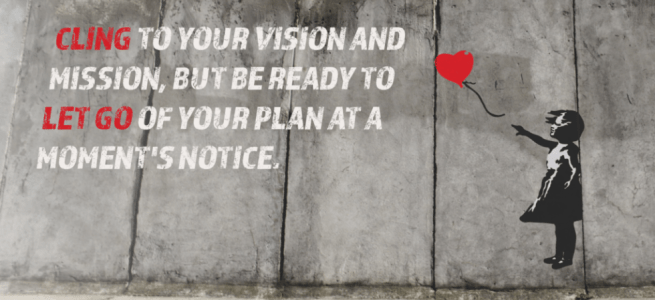
Turns out, not quite. The first is about letting go of outcomes. The second is about being mentally prepared. When combined, they don’t cancel each other out; they form a strong, unbroken shield:
- Prepare: so you’re not caught off guard. We do the reps before the big game. We save money, practice patience, and set boundaries. That’s not pessimism; that’s strategy.
- Detach: so you’re not enslaved by fear. Once we’ve prepared, we stop obsessing over “what if.” We don’t keep carrying the weight of scenarios we’ve already accounted for.
Money is the clearest example. We build an emergency fund, diversify, and avoid reckless debt; that’s preparation. Seneca was right: “We are often more frightened than hurt; and we suffer more in imagination than in reality.” Checking financial news every five minutes doesn’t add a single dollar to our account, except we’re doing scalping or stock trading. Aside from that, it only drains our peace of mind. Am I right?
Honestly, the same goes for relationships. Preparation means setting clear boundaries, having the hard conversations, and accepting that people can change. Detachment means not trying to control how others perceive us. As Ryan Holiday says in Stillness Is the Key: “We have so little control over the impressions other people form. The effort we put into controlling them is energy better spent on something else.”
In parenting, preparation is teaching our kids values, giving them tools to face challenges, and even bracing ourselves for the day they’ll stumble. Detachment is remembering we can’t live their lives for them. Marcus Aurelius reminded himself: “Do not hope for them to be the way you wish. Wish them to be just as they are, and you will have peace.”
Ouch! Sometimes I forget about this. Thanks for reminding me, Caesar!
Preparation gives us resilience. Detachment gives us freedom. Together, they create a mindset that’s steady in the storm, but light enough to enjoy the calm.
I think it’s like Batman in The Dark Knight versus Ross in Friends. Batman is the Stoic: always prepared, rehearsed for chaos, calm when things explode. Ross? Remember the “PIVOT!” scene with the couch? No preparation, just panic.
The modern translation? Save for the storm, then enjoy the sunshine. Pack our umbrella, but don’t walk around all day staring at the sky.
In life, we all have a choice: to be the person screaming in the hallway because nothing went as planned, or the one who quietly says, “I knew this might happen, and I’m ready to rumble!”
Love,
Kirana
