There’s a moment in The Devils Wear Prada that always stays with me. That movie was when I’m a grew up, but it still lingers until now.
Andy is standing in Paris. She looks composed now. Sharp. Capable. She’s no longer the girl who didn’t fit. She’s earned her place. And yet, something in her face tells us everything. It’s not failure she’s acting to. It was her success that came at the cost of herself.
Nothing dramatic happens in that scene. No confrontation. No breakdown. Just a quiet realization: I’ve become very good at being someone I didn’t plan to remain. That moment captures a truth many of us live with, but rarely name.
For a long time, I believed growth was about figuring out who I wanted to become. New goals. Clear direction. A more evolved version is somewhere ahead. But that wasn’t the hard part. The hardest part was realizing how loyal I still was to an older version of myself.
Not because that version was wrong. But because it once kept me safe. The agreeable one. The reliable one. The version that knew how to adapt, soften, and make things work. That version was competent. Helpful. Often praised. And that’s exactly why letting go of it felt like betrayal.
Because growth doesn’t always ask, “Who do you want to be?” Sometimes it asks something quieter and more comforting: Who do you need to disappoint in order to become who you already know you are?
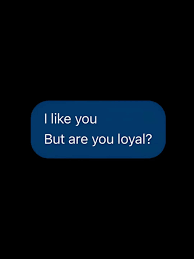
Most of us aren’t stuck because we lack clarity. We’re stuck because we’re loyal. Loyal to expectations we once accepted. Loyal to identities that made us feel needed. Loyal to roles that were useful in the past season.
The problem isn’t that those versions were wrong. The problem is staying loyal to them after the season has passed. We often call this patience. Or responsibility. Or maturity. But often, it’s fear dressed up as virtue. Fear of disrupting harmony. Fear of being misunderstood. Fear of losing the approval we once worked hard to earn. So we delay. We soften our truth. We keep performing a role that still works, even though it no longer fits.
From the outside, life looks fine. But inside, there’s friction, chaos. A quiet exhaustion that doesn’t come from doing too much, but from continuing to live from an identity we’ve already outgrown.
Honestly, this is the part of growth that isn’t Instagrammable. The grief of releasing a self that once protected you.
The awkwardness of choosing differently before anyone else adjusts. The in-between space where you no longer recognize your old patterns, but haven’t fully embodied the new ones yet.
This isn’t about staying in a comfort zone. Comfort zones are about ease. This is about identity. Most people aren’t staying because it feels comfortable anymore. They’re staying because the version of themselves that lives here once worked. Once earned approval. Once secured belonging.
Leaving a comfort zone asks for courage. Releasing an old identity asks for something sharper: the willingness to disappoint expectations you were once rewarded for meeting.
That’s why this kind of growth doesn’t feel exciting. It feels like a loss. Like stepping out of a role you mastered, without yet knowing who you’ll be without it.
In The Courage to Be Disliked, there’s an idea that unsettles many people at first: that much of our behavior isn’t driven by circumstance alone, but by our desire to be accepted. Seen this way, staying the same isn’t always about fear of failure. Sometimes, it’s a fear of losing belonging. That reframes everything.
Because suddenly, growth isn’t about fixing yourself. It’s about examining who you’re still performing for. And that recognition is rarely loud. It shows up as a pause before saying yes. A tightness in the body when agreeing too quickly. A fatigue that appears not after effort, but after compliance.
Then comes the quiet question: Am I choosing this… or am I being loyal to who I used to be?
Here’s the truth that changed the way I understand growth: We don’t need to become someone new. We need to stop being loyal to who we no longer are. That loyalty, automatic, unquestioned, is often what keeps us stuck. Because every time we choose comfort over honesty, every time we prioritize being understood over being aligned, we reinforce an identity that no longer reflects us.
Letting go doesn’t mean rejecting your past self. It means honoring them and releasing the role. They did their job. They got us here. Growth, at this stage, doesn’t ask for bold declarations. It asks for awareness. Awareness of the moments where we hesitate. Of the places where we still shrink. Of the identities we maintain out of habit, not truth. If this resonates, don’t rush to change anything. Just notice. Notice where our loyalty still lives. Notice who we’re protecting.
Notice which version of us is still holding the steering wheel.
That awareness alone isn’t small. It’s the beginning of a life that’s chosen, not because it’s dramatic, but because it’s honest. And that kind of growth, quiet as it is, changes everything.
Love,
Kirana
